Your property line comes from survey monuments, recorded maps and a licensed land surveyor, not from an old fence. If the corners are marked and both neighbors agree, you can build from them. If the line is in doubt, a surveyor sets it first, because moving a finished fence costs more than a survey.
Not sure where your property line is? At Rancho Oxnard Fence we confirm the line before every new fence and replacement around Oxnard and west Ventura County. Here’s where the line actually comes from, when a survey is worth paying for, and how to avoid a dispute. It’s general information, not legal or surveying advice.
Why the old fence is not the line
Fences move over the years. They get rebuilt in a slightly different place, follow an old garden bed, or were set by eye in the first place. A replacement that copies the old line copies its mistake. That is why a new fence starts from corners, not from the old fence.
Where the line comes from
Survey monuments
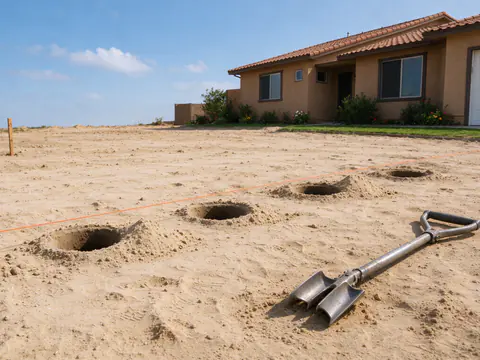
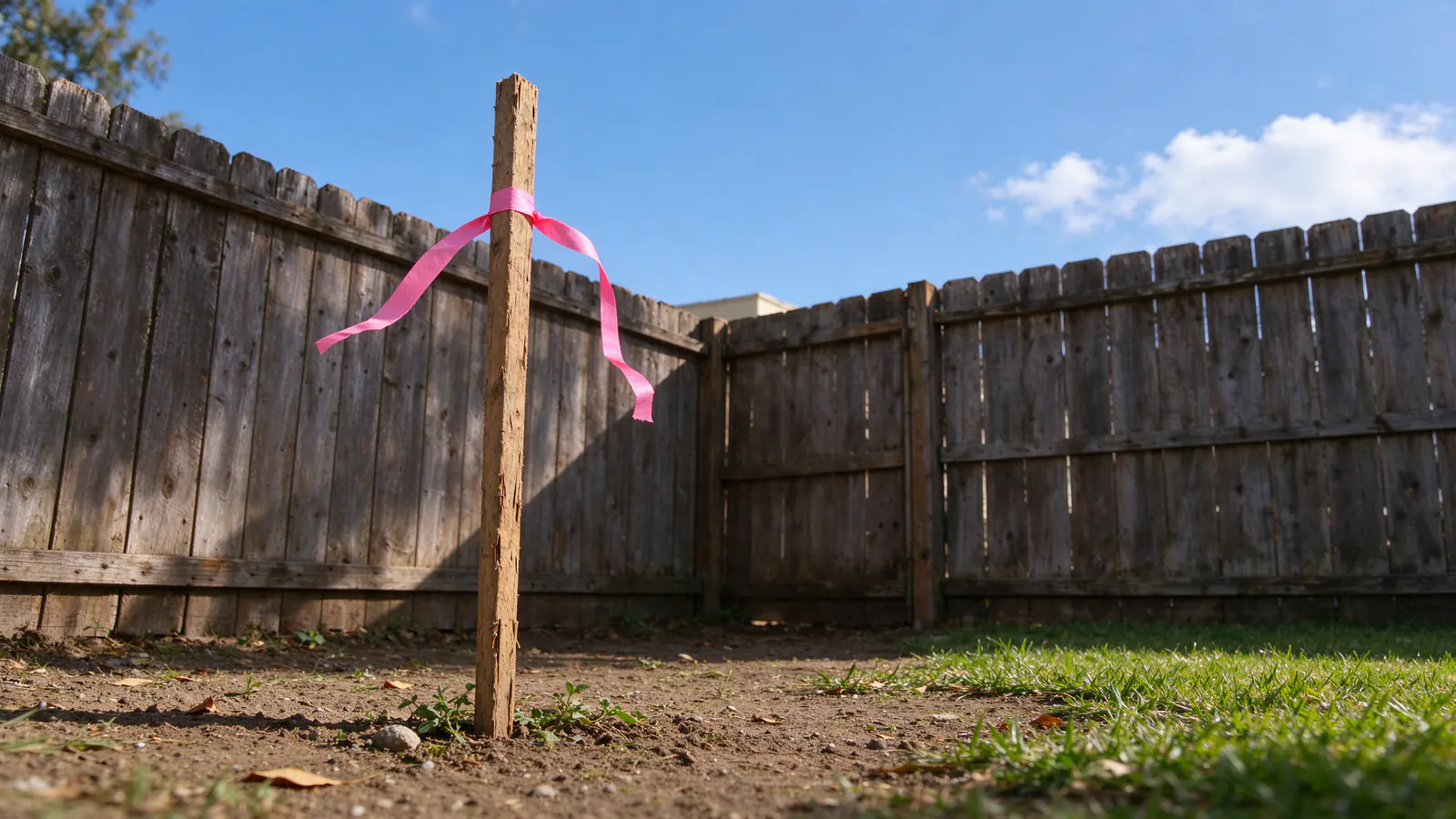
Most lots were marked with monuments at their corners when they were subdivided: pipes, pins or markers set in the ground, sometimes with a cap or tag. They may be buried under soil or paving, or missing.
Recorded maps
Subdivision maps and records of survey show the lot’s dimensions and how it relates to the monuments. Ventura County keeps recorded survey maps.
A licensed surveyor
A licensed land surveyor reads the records, finds existing monuments, sets missing ones, and stakes the line. Their work is what settles a disagreement.
When a survey is worth it
| Situation | Survey? |
|---|---|
| Corners are clearly marked and both neighbors agree | Usually not needed |
| No markers can be found | Worth it |
| A neighbor disagrees about the line | Worth it, before building |
| The fence runs along a long, irregular or sloped boundary | Often worth it |
| A wall, pool or driveway sits close to the line | Worth it |
A survey costs money; moving a finished fence, or a dispute, costs more.
Not sure where your line is?
The site visit looks for corner markers and says whether a survey makes sense first.
What a survey visit involves
A surveyor starts with the records: the subdivision map, earlier records of survey and the deed. On site, they search for existing monuments at the corners, measure between them and compare the measurements with the records. Missing corners are reset, and the line between them is staked so a fence can be laid out from it. Ask for the stakes to be set along the run you plan to fence, not only at the corners, and keep the survey with your house papers for the next fence.
On the line or inside it
On the line
A fence on the boundary is shared. California Civil Code 841 presumes both owners benefit and share reasonable costs, with 30 days’ written notice before work. Agree on the line, the style and the finished side in writing. See the good neighbor fence law guide.
Inside your line
Setting the fence a few inches inside your own property makes it entirely yours. You choose the style and pay the cost. The strip outside it is still yours to maintain.
If a neighbor disagrees
Ventura County treats property line disputes as a civil matter between owners. In practice:
- Get the line surveyed and staked
- Share the survey with the neighbor
- Put any agreement in writing
- Seek legal advice if it cannot be agreed
Building first and arguing later is the expensive order.
Utility marks are not boundaries
Before any digging, California law requires DigAlert notice at least two working days, and no more than 14 calendar days, before excavation. Utility owners then mark their lines. Those paint marks show buried pipes and cables, not property lines.
Height depends on where the fence sits
Once the line is known, the height allowed depends on where each run sits on the lot: front yards are limited more than side and rear yards. See the Oxnard fence rules guide.
Putting it into the plan
A new fence starts with confirmed corners, then the rules for each run, then utilities, then the build. See how long installation takes, the Oxnard fence cost guide and fence installation. Call if you want the corners checked on the estimate visit.